"Campaigns of cruelty" - Haley Todd Newsome

Over the past 18 months, ICE operations have expanded across the country as the administration pushes for mass deportations. Large-scale enforcement efforts have left communities fractured and scared.
For many of our Fellows, these operations have been in their own communities, in Minneapolis, New Orleans and others. We asked four of our Fellows to share their experiences working through these operations, the impact the ICE presence had on their work and clients, and what they have taken away from the past year and a half.
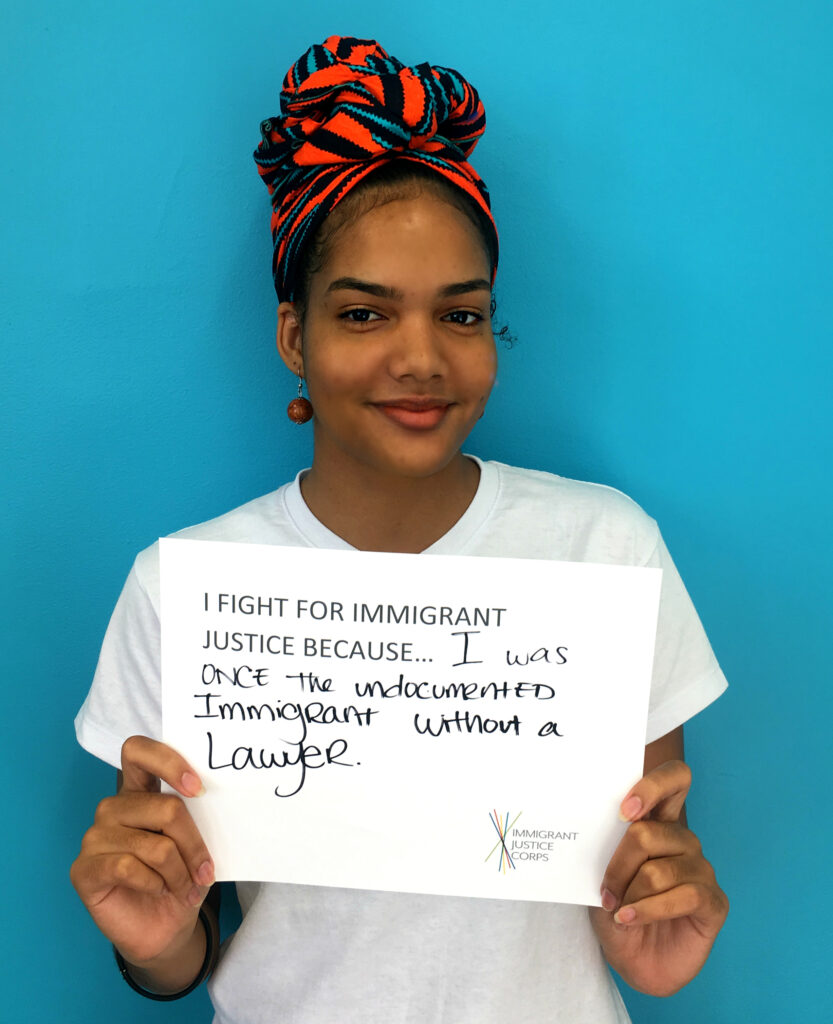
Haley Todd Newsome, a 2025 Justice Fellow working at Project Ishmael in New Orleans, Louisiana, explains the broad community response to Operation Catahoula Crunch and what she learned about being an immigration attorney. Haley is a graduate of the University of Arizona James E. Rogers College of Law.
I had been a Katzmann Fellow in New Orleans, LA, for less than three months when Operation Catahoula Crunch was first announced. Around mid-November of 2025, news outlets began reporting that New Orleans would be the next city for Border Patrol deployment and increased enforcement operations. By the first day of December, much of the city’s immigration population was essentially in lockdown. Our clients were missing school and work, terrified to leave their homes. Plans for our holiday party, where families would pick up donated presents for their children, turned into texting and calling all of our clients one by one, to check in and connect them with whatever resources they needed. But as everything shifted under our feet, the city of New Orleans responded to Operation Catahoula Crunch with resilience and a whole lot of heart.
At Project Ishmael, we worked with local organizers to help immigrant community members with family safety planning. In December and January, we helped over twenty families execute provisional custody mandates, designating a caregiver for their children in the event of an emergency. Volunteers, from notaries to interpreters to those who opened up their physical spaces, made it all happen.
And that was just one piece of the puzzle. All over the city, people were each picking their part and playing it well: packing and dropping off groceries, accompanying families at school bus stops, organizing protests, raising and donating money to help people pay rent. The city remembered that, after Hurricane Katrina, it was immigrant laborers who rebuilt homes, businesses, and houses of worship. The city remembered its own roots, French and Spanish and Creole and Cajun and so much more, many folks immigrants themselves or descended from immigrants. And out of those memories and a deep commitment to justice, the city said no to cruelty and yes to community care.
During Operation Catahoula Crunch, I learned that being an immigration attorney encompasses so much more than legal casework. Sometimes, it looks like reaching out to your clients to make sure they have access to basic necessities during an emergency. Other times, it looks like working with volunteers to provide legal services to non-client community members. And most importantly, it doesn’t happen in a vacuum. During this time, I learned so much from organizers, other attorneys, volunteers, and directly impacted folks. I felt my own limits acutely; there was only so much I could do as one person and as a brand new lawyer. But the good news is, I wasn’t alone. It wasn’t up to me to get food, rental assistance, medical care, and legal services to every single immigrant in New Orleans. Because the community showed up for one another, all I had to do was lean in and play my own individual part.
In January, as Mardi Gras approached, Border Patrol shifted their focus elsewhere and Operation Catahoula Crunch fizzled out. Cautious optimism emerged, followed by a slow, hesitant return to normalcy. But even months later, the networks of resources and volunteers are still thriving, able to serve the community outside of the previous emergency. The lessons we learned continue to guide us, and the connections we formed have sparked ongoing collaboration for immigrant justice. I have a new understanding of what it takes to be an immigration attorney in a crisis. I’m grateful for the ability and opportunity to provide legal services during such heartbreaking times—and I’m even more grateful for everyone who shows up to this fight in their own unique role, to care for the immigrant community in New Orleans and beyond.